
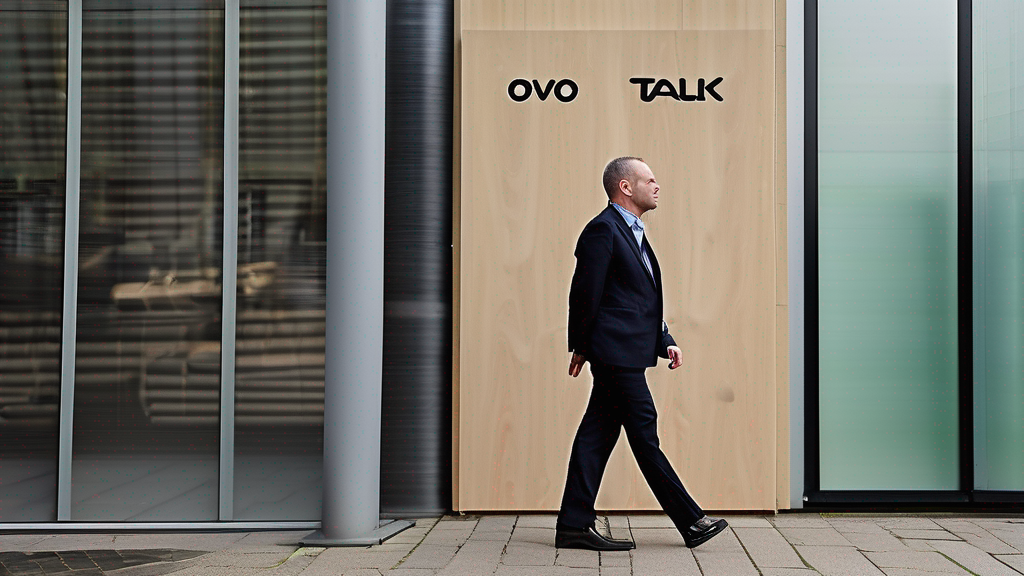
When a deal falls apart, someone usually ends up in court. And in this case, that someone is Ovo Energy, which has launched legal action against broadband provider TalkTalk over what it describes as a failed and deeply costly takeover attempt.
Ovo, the Bristol-based energy supplier that made its name as a green-leaning challenger brand, had been in talks to acquire TalkTalk in a move that would have dramatically expanded its footprint into the telecoms market. The deal, which was widely reported as a strategic push to bundle energy and broadband services under one roof, never made it to completion. Now Ovo wants answers, and apparently, compensation.
The specifics of the lawsuit haven’t been fully disclosed, but Ovo is understood to be alleging that TalkTalk misrepresented key details during the acquisition process. That’s a serious charge. If true, it would suggest the broadband firm’s finances or operations looked rather different on paper than they did in reality.
Ovo Energy is pursuing legal action against TalkTalk following the collapse of proposed acquisition talks, with the energy company claiming it suffered significant losses as a result of the failed deal.
TalkTalk has had a turbulent few years. The company has faced mounting debt, a damaging data breach back in 2015 that cost it hundreds of thousands of customers, and an ongoing struggle to compete in an increasingly brutal broadband market. Its valuation has been a moving target, which perhaps explains why any buyer might later feel they’d been sold a slightly different picture.
For Ovo, the timing is awkward. The company itself went through significant turbulence during the energy crisis of 2021 and 2022, absorbing millions of customers from collapsed suppliers while managing its own balance sheet pressures. Launching expensive litigation isn’t cheap, and it signals just how seriously Ovo views whatever happened during those negotiations.
Both companies will no doubt say very little publicly while the lawyers do their work. Court proceedings of this nature can drag on for years, and settlements, if they come, tend to arrive quietly.
Whether this ends up being a cautionary tale about due diligence or something murkier altogether remains to be seen. But it raises an uncomfortable question for any company eyeing a distressed acquisition: how well do you ever really know what you’re buying?



Leave a Reply