
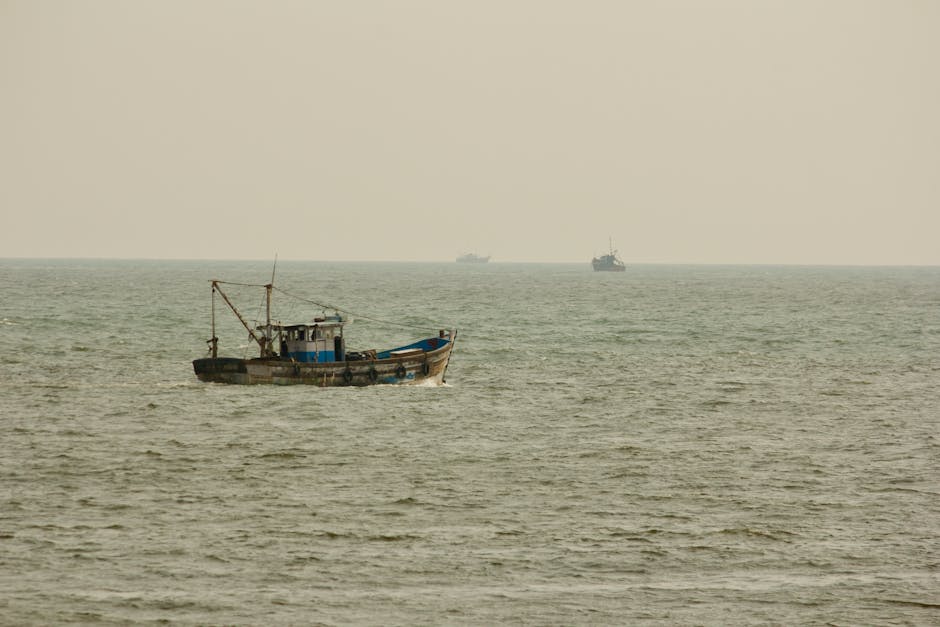
Somewhere in the vast, indifferent stretch of the Indian Ocean, a overcrowded fishing trawler went down, and with it, the hopes of an estimated 250 people whose names we may never know.
The vessel sank after being battered by heavy winds and rough seas, conditions made catastrophically worse by the sheer number of people packed aboard. The United Nations confirmed the disaster, describing the combination of severe weather and overcrowding as the cause of the sinking. Rescue operations are underway, but with numbers this large and waters this unforgiving, the outlook is grim.
These crossings don’t happen by accident. People board these boats because they’ve calculated, however desperately, that the risk of drowning is preferable to whatever they’re leaving behind. War, famine, persecution; the list of reasons is long, and none of them are simple.
The Indian Ocean route has grown increasingly deadly in recent years. The UN’s International Organization for Migration has tracked thousands of deaths along various maritime corridors, but the actual figures are almost certainly higher. Many boats sink without witnesses. Many bodies are never recovered. Many crossings go entirely unrecorded.
“The sea doesn’t discriminate,” one maritime rescue worker once put it, “but the policies that push people onto these boats certainly do.”
What makes this particular incident so haunting is the scale. 250 people is not an abstraction; it’s roughly the population of a small English village, gone in a single night. Families, probably. Young men, almost certainly. Children, quite possibly.
Survivors, if there are any, will face a different kind of ordeal: the bureaucratic limbo of international borders, detention, asylum claims and uncertainty stretching on for years.
The trawler’s exact origin and intended destination haven’t been confirmed publicly, and investigations into who organised the crossing are likely to prove slow and complicated. Smuggling networks are notoriously difficult to dismantle, not least because demand for their services shows no signs of slowing.
As search and rescue teams comb the water, the harder question lingers: at what point does the international community decide that losing 250 people at sea in a single incident is simply no longer acceptable?
Leave a Reply