
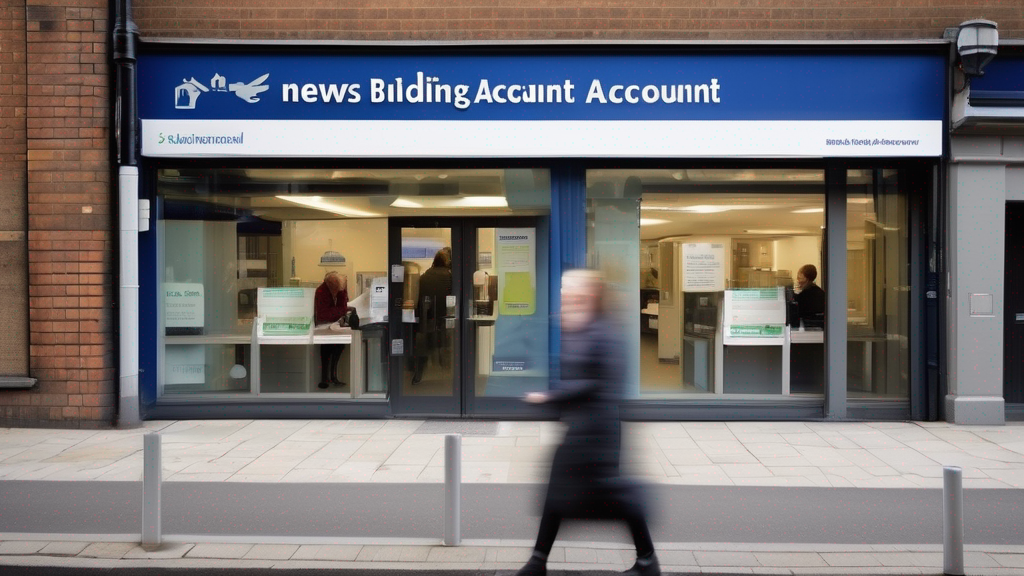
Seven per cent. It’s the kind of number that makes you do a double-take when you spot it on a savings account, especially after years of rates so dismal you’d earn more leaving a fiver down the back of the sofa.
A UK building society has launched a new fixed-rate savings account offering exactly that, 7% interest per annum, putting it well ahead of the current high-street average and making it one of the most competitive deals on the market right now.
The account is a fixed-term product, meaning savers lock their money away for a set period in exchange for that headline rate. It’s the classic trade-off: you give up flexibility, you get a better return. For anyone with a lump sum sitting idle in a current account earning next to nothing, the maths are fairly hard to argue with.
“We wanted to give our members a genuinely rewarding place to put their savings,” a spokesperson for the building society said. “Too many people are still sitting in accounts that are barely keeping pace with anything.”
To put the 7% figure in context, the average easy-access savings rate in the UK currently sits at roughly 3.1%, according to Moneyfacts data. Even the best fixed-rate ISAs from the major banks are struggling to crack 5%. So 7% genuinely stands out.
There are, naturally, conditions. The account is expected to have a minimum deposit threshold, and the fixed term means you won’t be able to dip in if something unexpected crops up. Early withdrawal penalties tend to sting, so this isn’t one for your emergency fund.
Building societies have historically been able to move faster than the big banks when it comes to passing better rates on to savers. Without shareholders to satisfy, the mutual model means more of the benefit flows back to members.
With the Bank of England base rate still elevated and inflation slowly cooling, savers who’ve spent years watching their money stagnate are finally in a position to make it work harder. The question now is whether the high street banks will feel enough pressure to follow suit, or whether they’ll simply hope nobody notices.


Leave a Reply